
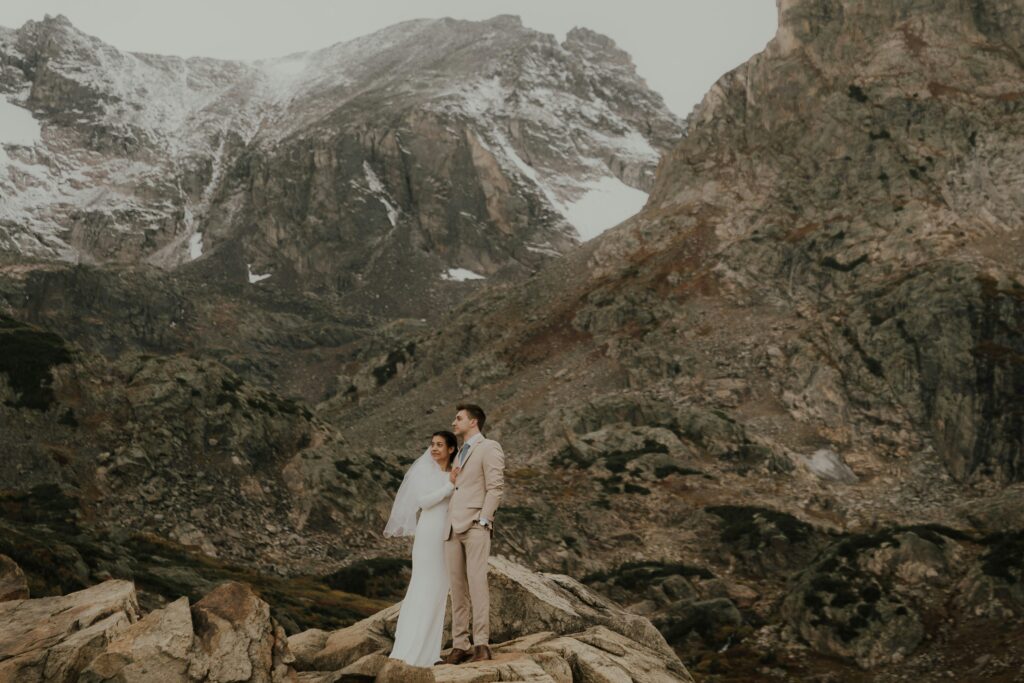
Choosing the best time of day for wedding photos can dramatically impact how your memories are preserved. Light changes throughout the day, creating vastly different moods, colors, and qualities in your images. Understanding how natural light affects photography helps you make informed decisions that result in stunning, flattering images you’ll treasure forever.
Professional photographers know that timing isn’t just about convenience—it’s about capturing you in the most beautiful light possible. From the soft glow of golden hour to the challenges of midday sun, each time of day presents unique opportunities and considerations for your wedding photography.
Understanding Natural Light Throughout the Day
Natural light changes continuously from sunrise to sunset, affecting everything from skin tones to background colors in your wedding photos. The sun’s position in the sky determines the quality, direction, and color temperature of light, which directly impacts how flattering your photos will be.
When the sun sits low on the horizon during early morning or late afternoon, light travels through more atmosphere, creating that warm, golden glow photographers love. As the sun climbs higher, light becomes harsher and more direct, creating dark shadows and high contrast that can be unflattering.
The intensity and angle of sunlight also vary by season. Summer brings longer days with the sun directly overhead for extended periods, while winter offers shorter windows of harsh light. Your wedding photographer can help you plan around these seasonal variations to capture the best possible images.
Golden Hour: The Sweet Spot for Wedding Photography
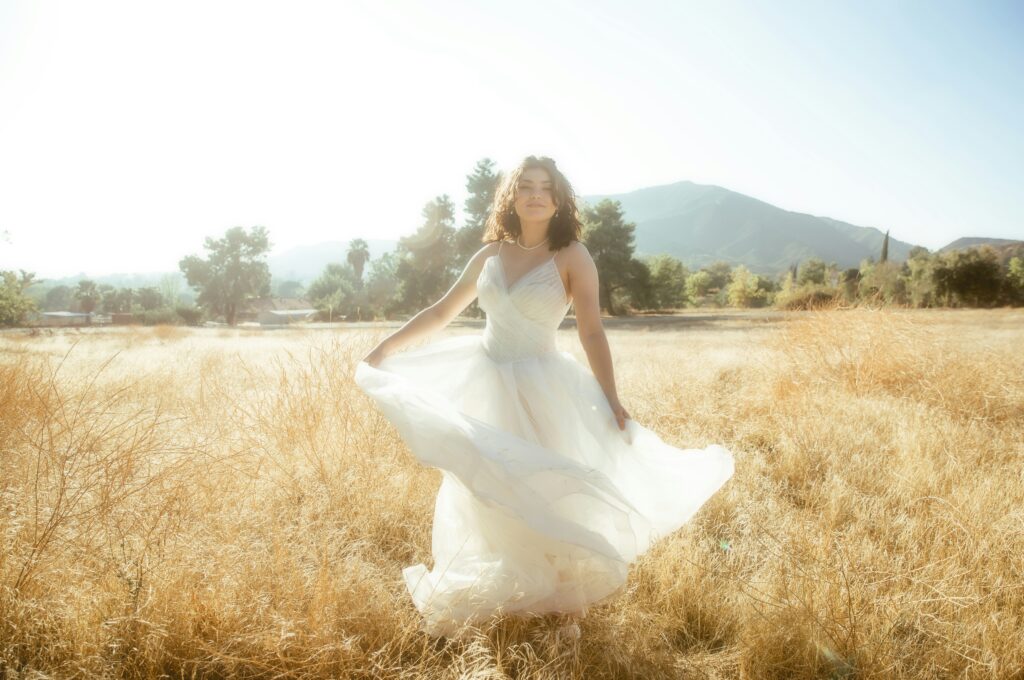
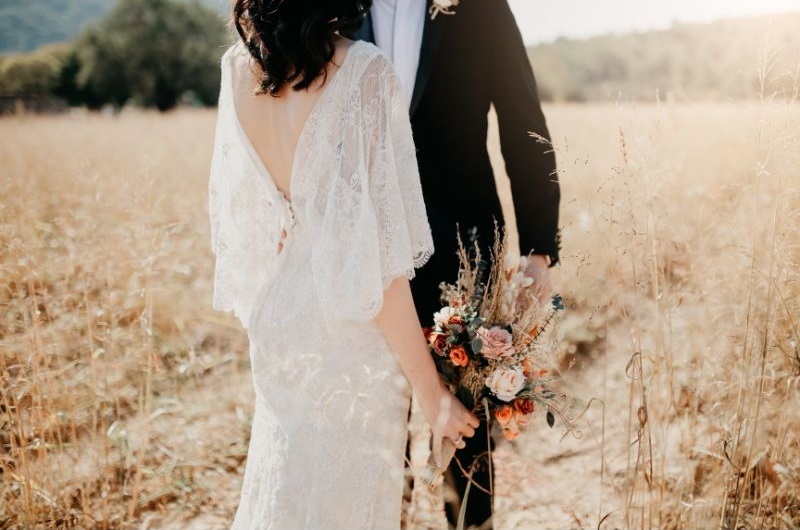
Golden hour remains the most sought-after time for wedding photos. This magical period occurs twice daily—the hour after sunrise and the hour before sunset—when sunlight takes on a warm, golden quality that’s incredibly flattering. The sun sits low on the horizon, creating soft, directional light that wraps around subjects beautifully.
During golden hour, harsh shadows disappear and skin tones glow with warmth. The light is forgiving, reducing imperfections and creating a romantic atmosphere that perfectly suits wedding photography. Planning your golden hour photos requires coordination with your photographer and wedding planner to ensure you’re positioned perfectly when this fleeting window arrives.
Morning Golden Hour Benefits
Early morning golden hour typically occurs within the first hour after sunrise. This time offers several advantages: locations are often empty and peaceful, you’re fresh and energized, and the light has a cooler, more delicate quality than evening golden hour. Morning light works beautifully for engagement photos and getting-ready shots.
The challenge with morning golden hour is timing your wedding day schedule to take advantage of it. Unless you’re having a sunrise ceremony or are willing to wake early for a pre-ceremony session, this window might pass before your official photos begin.
Evening Golden Hour Magic
The hour before sunset is when most couples schedule their golden hour photos. This timing works naturally with traditional wedding day timelines—ceremonies often conclude in late afternoon, leaving cocktail hour as the perfect opportunity to capture sunset photos. The warm tones of evening golden light create romantic, dreamy images that become favorites in wedding albums.
Evening golden hour does require careful planning. Understanding what time golden hour occurs for your specific wedding date and location ensures you don’t miss this window. Your photographer will track sunset times and plan accordingly.
Blue Hour: Dramatic Twilight Photography
Blue hour follows immediately after sunset, creating a brief window of ethereal blue light. The sky takes on deep blue and purple hues while artificial light from buildings and venue lighting becomes prominent. This combination creates dramatic, romantic images with a completely different mood than golden hour photos.
During blue hour, photographers can balance the ambient blue sky with warm artificial light, creating pictures with gorgeous color contrasts. Cityscapes and venues with exterior lighting photograph beautifully during this time.
Blue hour lasts only 20-30 minutes, making timing critical. Most couples capture these images after formal photos are complete, during the transition between cocktail hour and dinner.
Midday Light: Challenges and Solutions
Midday presents the most challenging lighting conditions for wedding photography. When the sun sits directly overhead, it creates harsh light, dark shadows under the eyes and nose, and high contrast that can be unflattering. The bright, intense light also causes squinting, making it difficult to capture relaxed expressions.
Despite these challenges, many ceremonies take place during late morning or early afternoon for practical reasons. Professional photographers have strategies to work with midday light and still create beautiful images. Finding shade becomes essential—positioning subjects under trees, architectural overhangs, or building shade sides provides relief from direct sunlight.
Working with Midday Shadows
When shade isn’t available, photographers use techniques to minimize unflattering shadows:
- Position subjects with the sun behind them (backlit) to prevent squinting
- Use reflectors or flash to illuminate faces and fill in dark shadows
- Find architectural elements that create natural shade
- Embrace open shade under covered areas
- Work quickly during the worst lighting hours
This approach prevents harsh shadows across faces while creating a soft glow around subjects. Backlit portraits, when executed properly, can be stunning even during challenging midday hours.
The Advantage of Cloudy Days
Cloudy days actually become an advantage during midday hours. Grey day or overcast conditions create even, soft light without harsh shadows—essentially turning the entire sky into a giant softbox. While you might feel disappointed by clouds, your photographer will likely be thrilled by the flattering, consistent light they provide.
Early Morning Wedding Photography
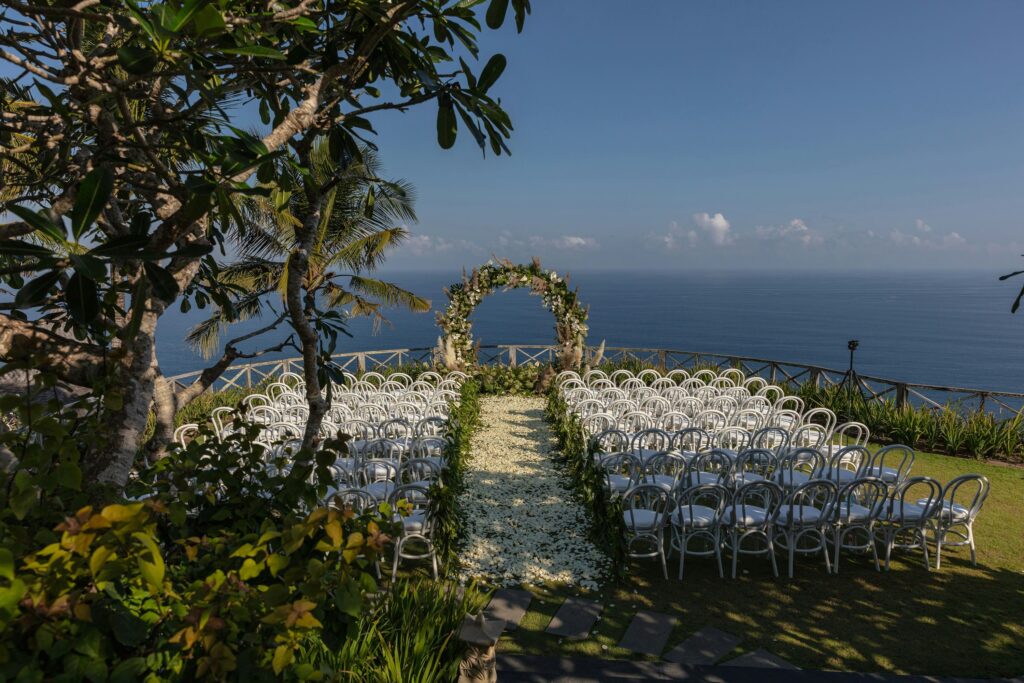
Early morning ceremonies are becoming increasingly popular, especially for summer weddings in hot climates. The light during this time is soft and flattering, temperatures are cooler, and locations are less crowded. Morning light has a fresh, clean quality that creates bright, airy images.
For couples willing to start their day early, morning weddings offer practical advantages. Venues may offer better pricing for morning slots, guests are more likely to be punctual, and you finish early enough to enjoy your wedding night without exhaustion.
Morning ceremonies do require adjusting your getting-ready timeline. You’ll need to wake very early for hair and makeup, which might feel stressful. However, many couples find they’re naturally awake with excitement anyway.
Late Afternoon: The Ideal Window
Late afternoon, typically from 3:00 PM to 5:00 PM, depending on the season, offers some of the best natural light for wedding photography without requiring dramatic schedule adjustments. This time period has become the sweet spot for many experienced wedding photographers.
The sun has descended from its overhead position but hasn’t yet reached the horizon for golden hour. Light becomes softer, more directional, and more flattering than midday while still providing plenty of brightness for great images.
Why Late Afternoon Works Perfectly
This timing works beautifully for traditional wedding day timelines:
- Allows morning preparation without extreme early wake-up times
- Provides good light for ceremony photography
- Creates flattering conditions for family photos
- Leads naturally into golden hour for couples portraits
- Offers flexibility for both indoor and outdoor photography
Many experienced wedding photographers recommend scheduling your ceremony between 3:00 and 4:00 PM. This timing positions you perfectly to capture formal photos in soft light, then transition seamlessly into golden hour for dreamy couple portraits.
Balancing Indoor and Outdoor Opportunities
Late afternoon also offers flexibility with location choices. If your ceremony is outdoors, the sun won’t be directly overhead, creating unflattering shadows. For indoor ceremonies, you still have excellent natural light streaming through windows for detail shots and candid moments.
Seasonal Considerations for Wedding Photo Timing
The best time of day for wedding photos shifts dramatically with seasons, making it essential to plan according to when your wedding takes place. Understanding these seasonal variations helps you schedule your timeline for optimal light.
Summer Wedding Timing
Summer weddings offer the longest days and the latest golden hour, giving you more flexibility. However, the midday sun is intense and lasts longer, creating extended periods of harsh light.
Summer timing considerations:
- Golden hour occurs late—sometimes after 8:00 PM
- Plan ceremonies for late afternoon or early evening to avoid intense midday heat and light
- Consider scheduling dinner first, then capturing golden hour photos afterward
- Morning ceremonies beat the heat while offering soft, flattering light
The late sunset means you have options that traditional schedules might not allow. You could host your entire ceremony and dinner, then sneak away with your photographer during golden hour for intimate couple portraits.
Fall and Spring: The Perfect Balance
Fall and spring offer moderate temperatures and excellent light quality. Golden hour occurs at reasonable times—not too early or late—making it easier to incorporate into traditional timelines. These shoulder seasons provide beautiful natural colors as backgrounds: spring blooms and fall foliage add stunning visual interest.
The weather becomes more variable during these seasons. Preparing for potential rain ensures you’re ready for any conditions. Cloudy days during these seasons create wonderfully soft light that’s ideal for photography.
Winter Wedding Light Considerations
Winter presents unique challenges and opportunities. Days are short, meaning golden hour arrives early—sometimes by 4:00 PM or earlier. This timing actually works well for traditional wedding schedules, allowing afternoon ceremonies that lead directly into golden hour.
Winter wedding advantages:
- Golden hour timing aligns naturally with late afternoon ceremonies
- Cool, crisp light creates beautiful, clear images
- Snow reflects light, acting as a natural fill that eliminates harsh shadows
- Shorter, harsher midday period means more hours of flattering light
The challenge is limited daylight hours. Plan your ceremony timing to capture those precious daylight hours for outdoor portraits before darkness falls.
Planning Your Wedding Day Timeline Around Light
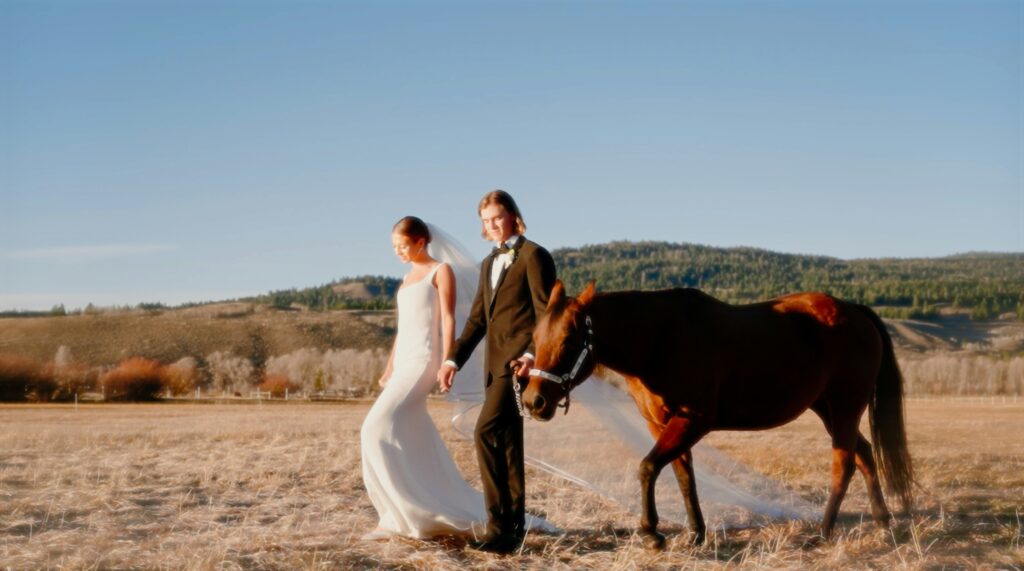
Creating a wedding photography timeline centered on optimal lighting requires coordination between you, your photographer, and your wedding planner. Start by identifying your priorities—which photos matter most? Understanding your priorities helps allocate the best light to your most important images.
Work backward from golden hour when planning your schedule. If sunset occurs at 7:30 PM and you want golden hour couples photos, you need to be available around 6:30 PM. This might mean scheduling your ceremony earlier, planning a first look to complete family photos beforehand, or sneaking away during cocktail hour.
Building Flexibility Into Your Schedule
The best wedding day timelines include buffer time for unexpected delays:
- Add 15-30 minute buffers between major events
- Account for makeup or hair running slightly behind
- Plan for transportation delays between locations
- Allow extra time for emotional moments
- Build in a cushion before golden hour
These buffers ensure you still capture golden hour photos even if earlier events run behind schedule.
Communicating With Your Photography Team
Communicate your lighting priorities with your photographer during planning. They can provide specific sunset times for your wedding date and location, suggest optimal ceremony start times, and help coordinate with other vendors. Preparing for your wedding photography includes these timeline discussions well before your wedding day.
Indoor vs. Outdoor Lighting Considerations
The best time of day for wedding photos depends partly on whether you’re shooting indoors or outdoors. Each setting has unique characteristics that affect how the time of day impacts your image quality.
Outdoor ceremonies and photos are most affected by sun position and natural light quality. Avoid scheduling during midday hours when the sun is directly overhead. Late afternoon or early evening provides soft, directional light that’s much more flattering. If midday is your only option, choose a ceremony location with natural shade.
Indoor Venue Flexibility
Indoor venues with large windows offer opportunities to use beautiful natural light even during less optimal outdoor times. Window light creates soft, directional illumination that’s incredibly flattering for portraits and detail shots.
However, venues with limited natural light rely more on artificial lighting and professional lighting equipment at all times of day. Discuss your venue’s lighting characteristics with your photographer to understand how it affects your scheduling options.
Making the Most of Less-Than-Ideal Timing
Sometimes your ceremony time is fixed due to venue availability, religious requirements, or other constraints. Don’t worry—professional photographers create stunning images in any lighting condition.
If you’re locked into midday timing, embrace strategies that minimize harsh light:
- Choose shaded ceremony locations under trees or architectural features
- Plan most formal photos for slightly earlier or later when the light softens
- Use the cocktail hour for couple portraits when the light is better
- Trust your photographer’s expertise in finding good light
- Consider a first look earlier in the day to capture some photos in better light
Understanding what makes a good wedding photo goes beyond just lighting—composition, emotion, and moment all matter tremendously.
Working With Your Photographer’s Expertise
Professional photographers have extensive experience working with light at all times of day. They know how to find good light in challenging conditions, use shade effectively during bright sun, and position subjects to minimize unflattering shadows.
Choosing the right wedding photographer means finding someone who understands light and can adapt to various conditions. Review their portfolio to see how they handle different lighting situations. Do their midday photos still look flattering? Are their golden hour images stunning?
Following Professional Guidance on Your Wedding Day
During your wedding day, listen when your photographer suggests moving to different locations or adjusting timing. They’re watching light constantly, identifying the perfect spots and moments:
- When they suggest moving to shade, trust that it will improve your photos
- If they position you with your back to the sun, they’re avoiding squinting and harsh shadows
- When they ask to step away during cocktail hour, they’ve identified perfect golden hour light
- If they recommend specific locations, they’ve scouted the best light
Following wedding photography tips and trusting professional guidance results in photos you’ll love.
Creating Backup Plans for Unpredictable Weather
Weather affects both the availability and quality of natural light. While you can’t control whether your wedding day is sunny or cloudy, you can plan for various scenarios.
Cloudy days actually provide some of the most flattering light for photography. The clouds act as a massive diffuser, creating soft, even light without harsh shadows or squinting. Many professional photographers prefer cloudy conditions over bright, direct sunlight.
Rain presents different challenges but also unique opportunities. Knowing what to do if it rains on your wedding day helps you stay calm and even embrace the weather. Rain creates moody, romantic lighting and reflections that result in truly unique photos.
Conclusion
The best time of day for wedding photos to look your most beautiful centers around golden hour—that magical period when the sun sits low on the horizon, creating warm, flattering light. Late afternoon offers an excellent compromise, providing beautiful light that works naturally with traditional wedding schedules.
Understanding how natural light changes throughout the day empowers you to make informed decisions about your wedding day timeline. Work closely with your photographer to identify sunset times, schedule key photo moments during optimal light, and build flexibility into your timeline.
Remember that skilled photographers create stunning images in any lighting condition. Whether you’re working with golden hour magic or midday challenges, professional expertise makes the difference. The perfect time for your wedding photos is the time that works for your celebration while allowing your photographer to showcase you in the most beautiful, flattering light possible.
Ready to plan your wedding day timeline for photos that make you look absolutely radiant?
Celeste Wedding Photography brings expertise in working with natural light to create timeless, romantic images regardless of when your celebration takes place. From golden hour magic to creative solutions for challenging midday light, we ensure you look your most beautiful in every single frame. Let’s discuss your wedding day timeline and how to schedule your photos for the most gorgeous, flattering results.
Frequently Asked Questions
What is the best time of day for wedding photos?
Golden hour—the hour before sunset or after sunrise—is the best time for wedding photos. The warm, soft light is incredibly flattering and creates romantic images. Late afternoon (3-5 PM) is also excellent and works naturally with traditional wedding timelines.
Should I schedule my ceremony during golden hour?
Rather than scheduling your entire ceremony during golden hour, plan it for late afternoon so you can capture couples’ portraits during golden hour afterward. This typically means a 3-4 PM ceremony that allows you to sneak away during cocktail hour for sunset photos.
What if my ceremony has to be at noon?
Midday ceremonies can still have beautiful photos. Work with your photographer to find shaded locations, use backlighting techniques, or embrace cloudy days, which provide flattering light. Professional photographers know how to handle harsh midday conditions effectively.
How does the season affect the best time for wedding photos?
Season dramatically affects golden hour timing. Summer golden hour occurs late (after 8 PM in some locations), while winter golden hour arrives early (by 4 PM). Check sunset times for your specific wedding date and plan accordingly.
Can I get good photos on a cloudy day?
Absolutely! Cloudy days provide beautiful, soft, even light without harsh shadows. Many photographers prefer overcast conditions because clouds act like a giant softbox, creating flattering light all day long.
What’s the difference between golden hour and blue hour?
Golden hour occurs right after sunrise or before sunset with warm, golden light. Blue hour happens immediately after sunset when the sky turns deep blue. Both create stunning photos, but with different moods—golden hour is warm and romantic, blue hour is dramatic and ethereal.
How far in advance should I plan my timeline around lighting?
Start planning your timeline around lighting as soon as you book your photographer—ideally 6-12 months before your wedding. This gives you time to coordinate with your venue and other vendors to schedule your ceremony at the optimal time.